


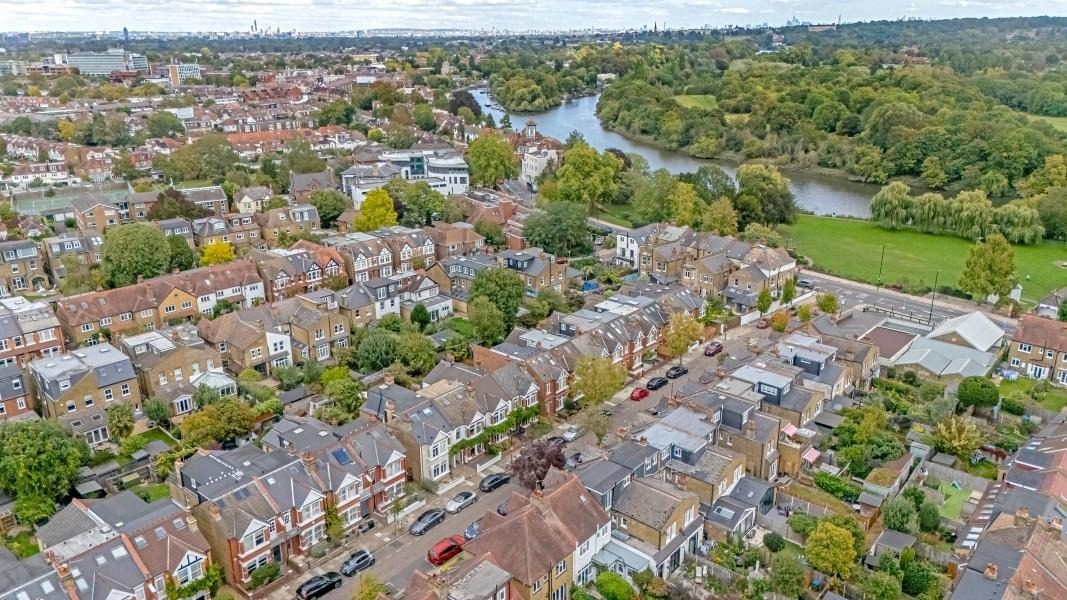
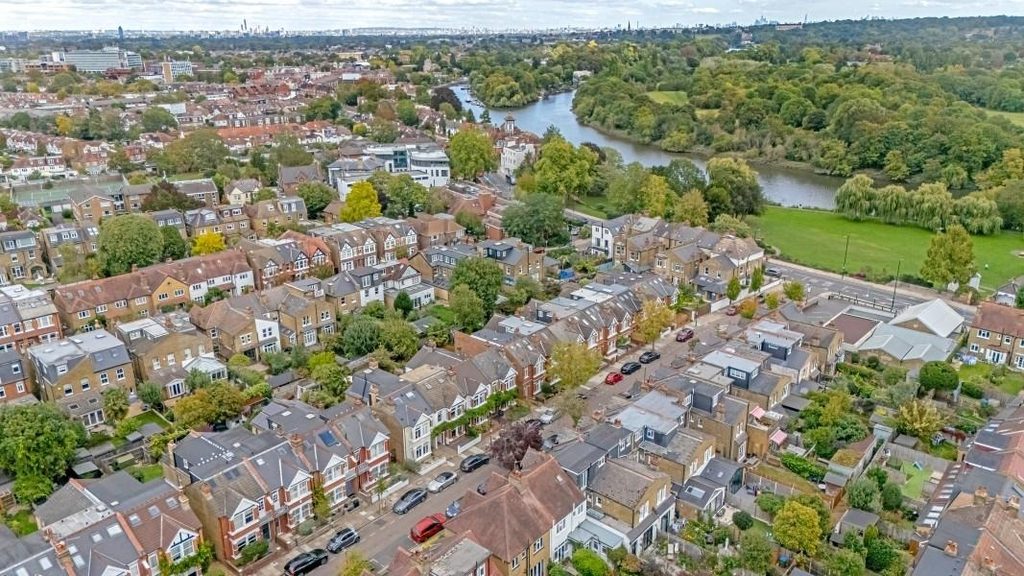
Quick Answer: Buyers looking for a property in Twickenham typically prioritise a combination of location, practical living space and long-term affordability. Access to railway stations, reputable schools, green spaces and local amenities can influence their decisions, alongside features such as private gardens, parking and energy efficiency. From period houses in St Margarets to modern flats near Twickenham town centre, the right choice depends on each buyer’s lifestyle, budget and future plans.
Buying a property in Twickenham involves more than finding a house that meets your budget. From the residential streets of St Margarets to the riverside surroundings of Strawberry Hill, different parts of TW1 and TW2 offer distinct lifestyles and housing options.
For families, access to schools and outdoor space may influence the search. Professionals might prioritise commuting connections, while first-time buyers often focus on affordability and running costs.
Understanding what makes a property suitable for your circumstances can help you narrow your search and make a more informed decision.
What Do Buyers Look for When Buying in Twickenham?
Buyers looking for a home in Twickenham often consider transport connections, nearby schools, outdoor space, property condition and access to local amenities. The importance of each feature depends on individual circumstances. A family may prioritise a garden and additional bedrooms, while a commuter may place greater value on proximity to a railway station.
The most useful starting point is to distinguish between essential requirements and features you would be willing to compromise on.
For example, a property with a smaller garden might offer a more convenient location, while a house further from the town centre could provide additional living space.
Which Areas of Twickenham Should Buyers Consider?
Twickenham’s neighbourhoods differ in housing styles, transport access and proximity to the River Thames. Central Twickenham offers convenient shopping and rail connections, while St Margarets, Strawberry Hill and Whitton provide different residential settings. Comparing these areas can help buyers find a location that suits their lifestyle and budget.
Central Twickenham
Central Twickenham benefits from excellent transport links and easy access to Central London, with Twickenham in Zone 5 around 10 miles from Central London, alongside shops, restaurants, transport connections and the River Thames.
Church Street is known for its independent businesses and restaurants, while King Street provides additional shopping and everyday amenities.
Buyers who value walkability may find the town centre convenient, particularly when commuting from Twickenham railway station.
However, properties on busier roads may experience more traffic or noise than those on quieter residential streets.
St Margarets
St Margarets sits between Twickenham and Richmond, with its own railway station, independent shops and residential streets.
The area includes period houses, terraced properties and flats, offering options for buyers with different space requirements.
St Margarets is in the London Borough of Richmond upon Thames.
Its proximity to Marble Hill Park and the River Thames may appeal to households seeking access to outdoor recreation.
When viewing properties in St Margarets, consider the distance to transport, local shops and the particular school you may be interested in.
Strawberry Hill
Strawberry Hill offers a more residential setting, with access to the River Thames and green spaces.
The area is associated with Strawberry Hill House, a distinctive historic landmark, and includes a mixture of period homes, family houses and flats.
Buyers considering Strawberry Hill should explore the local streets rather than relying solely on postcode boundaries. Access to the station, parking arrangements and proximity to the riverside can vary considerably.
East Twickenham
East Twickenham offers convenient access to Richmond and the open spaces around Marble Hill.
Nearby, the local area also benefits from attractions such as York House Gardens, while Eel Pie Island adds a distinctive riverside draw with its musical heritage and artists’ studios.
Its residential streets include period properties and flats, with some homes positioned close to the Thames.
For buyers comparing Richmond and Twickenham, East Twickenham may be worth exploring because of its location between the two centres.
Twickenham Green and Whitton
Twickenham Green provides a recognisable local focal point, surrounded by residential streets and neighbourhood amenities.
Whitton, further west, offers a different mix of housing, including terraced and semi-detached properties.
Buyers seeking additional bedrooms, gardens or parking may wish to compare homes in these areas with those closer to central Twickenham.
The right choice depends on the individual property, transport requirements and available budget.
How Important Are Transport Links When Buying in Twickenham?
Transport connections are an important consideration for buyers who commute regularly or travel across South West London.
Twickenham railway station offers strong transport links, with direct trains to London Waterloo in about 20 minutes and connections to Clapham Junction and Vauxhall. St Margarets, Strawberry Hill and Whitton also have railway stations serving their respective neighbourhoods.
For professionals travelling into Central London, the practical journey matters more than simply living near a station.
Before making an offer, consider:
- The walking distance between the property and your preferred station.
- Train frequency and journey times during your usual commuting hours.
- Connections to your workplace from London Waterloo or Clapham Junction.
- Local bus services and alternative routes.
- Parking availability if you regularly use a car.
Richmond also provides access to the District line and London Overground services, although the convenience of reaching Richmond depends on where you live.
Checking a typical weekday journey can provide a more realistic understanding of commuting from Twickenham.
What Property Features Matter Most to Buyers?
A property’s layout, condition and suitability for everyday life can be just as important as its location.
Outdoor space and gardens
Houses with gardens in Twickenham may suit buyers who want space for children, pets, entertaining or gardening.
However, the size of a garden does not tell the whole story.
Its orientation, privacy, maintenance requirements and relationship to the living areas can all affect how useful it feels.
Buyers should also check whether any outdoor space is private, shared or subject to restrictions.
Flexible living space
An additional bedroom, study or adaptable reception room can make a home more practical for changing household needs.
For buyers who work remotely, a dedicated home office may be preferable to using part of a bedroom or dining room.
Consider whether the layout provides enough separation between working, relaxing and sleeping areas.
Storage and practical layouts
Built-in cupboards, loft storage and usable utility space can make a noticeable difference to daily life.
A larger property does not necessarily offer better functionality if its rooms are awkwardly arranged.
During a viewing, think about where furniture will fit and whether there is sufficient space for everyday belongings.
Energy efficiency and property condition
An energy performance certificate (EPC) provides information about a property’s energy efficiency and potential improvements.
Buyers should review the EPC alongside the heating system, insulation, windows and general condition.
A well-presented home may still require maintenance or upgrades, so appearance should not replace a professional assessment.
Parking and access
Parking arrangements can influence how practical a property is, particularly for households with multiple vehicles.
Check whether parking is allocated, on-street, permit-controlled or provided through a private driveway.
For flats, confirm any parking rights through the legal documentation rather than assuming that an advertised space is included.
What Types of Properties Can Buyers Find in Twickenham?
Twickenham’s housing stock includes Victorian and Edwardian houses, period cottages, terraced and semi-detached homes, purpose-built flats and modern apartments.
Each property type presents different considerations.
Victorian and Edwardian houses can offer period details, established residential settings and distinctive layouts. Buyers should assess the condition of roofs, windows, brickwork and older building services.
Terraced and semi-detached houses may provide practical accommodation for growing households. Garden access, neighbouring extensions and potential maintenance requirements are worth examining.
Flats and modern apartments can suit buyers seeking fewer bedrooms or a more manageable property. Lease terms, service charges, building management and planned maintenance should be reviewed carefully.
Riverside properties offer a distinctive setting, but buyers should investigate flood risk, insurance availability and any relevant restrictions before proceeding.
A property’s age or architectural style should not be treated as a guarantee of its condition.
For an overview of currently marketed homes, explore Parkgate’s properties for sale in Twickenham.
Why Do Schools and Green Spaces Matter to Families?
Families buying a home in Twickenham may consider school access, outdoor recreation and the practicality of everyday journeys.
The area includes schools such as Orleans Park School and Waldegrave School, although admission arrangements and catchment considerations must be checked directly with the relevant school or admissions authority.
Living near a school does not automatically guarantee a place.
For households with younger children, the walking route, local traffic and access to childcare may also influence the decision.
Twickenham offers several outdoor spaces that can contribute to family life.
Marble Hill Park provides open parkland near the Thames, while Twickenham Green offers a local space for recreation.
Nearby Richmond Park and Bushy Park provide additional opportunities for walking and outdoor activities, although travelling times will depend on the property’s location.
Buyers should visit the surrounding neighbourhood at different times to understand how the area functions beyond the property viewing itself.
What Should Buyers Check Before Making an Offer?
Before making an offer on a property in Twickenham, buyers should assess its physical condition, ownership arrangements, ongoing costs and suitability for their longer-term plans.
A viewing is an opportunity to identify questions that may require further investigation.
Property condition and surveys
Look for visible signs of damp, cracking, roof deterioration or poorly maintained windows.
These observations do not automatically indicate serious defects, but they may warrant further investigation.
An appropriate home survey can help identify building condition issues before the purchase becomes legally binding.
Leasehold arrangements
For leasehold flats, review the remaining lease term, service charges, ground rent provisions and any planned major works.
Your conveyancer should explain the legal obligations and whether any restrictions could affect future use or alterations.
Flood risk and local surroundings
For properties near the River Thames, check official flood-risk information rather than relying on proximity to the river alone.
Buyers should also consider traffic, noise, neighbouring land use and any proposed developments that could affect their enjoyment of the property.
Twickenham Stadium, now known as Allianz Stadium, is another local consideration. Homes near event routes may experience additional activity on major match days.
Future alterations
If you are considering an extension, loft conversion or substantial renovation, investigate the relevant planning requirements before committing to a purchase.
Previous alterations should also be checked for the necessary permissions, approvals and supporting documentation where applicable.
How Much Should Buyers Budget for a Property in Twickenham?
The cost of buying a home in Twickenham depends on the property’s location, size, condition, type and individual characteristics.
A period house with several bedrooms and a garden will have different pricing considerations from a one-bedroom flat or modern apartment.
Rather than relying on a single average house price, compare properties with similar features in nearby streets.
Current asking prices can help establish expectations, while completed sales provide useful evidence of what buyers have actually paid.
Your total budget should also account for costs beyond the agreed purchase price.
These may include mortgage arrangement fees, conveyancing, surveys, removals, insurance and Stamp Duty Land Tax where applicable.
First-time buyers may qualify for Stamp Duty relief, depending on the purchase price and eligibility requirements.
For flats, ongoing service charges and potential major works should also be considered. For older houses, allow for maintenance and possible improvements to heating, insulation or other building elements.
A mortgage agreement in principle can help establish your borrowing position, but it does not guarantee final mortgage approval.
Is Twickenham a Good Place to Buy a Property?
Twickenham can be a suitable place to buy for people who value established residential neighbourhoods, access to green spaces and connections to other parts of London.
Its mix of period houses, family homes and flats provides options for different stages of life.
However, whether Twickenham is the right choice depends on your budget, preferred lifestyle and property requirements.
A buyer seeking a larger family house may prioritise different streets from someone looking for a flat within walking distance of Twickenham station.
Comparing several neighbourhoods and property types is often more useful than focusing on a single postcode.
Frequently Asked Questions About Buying in Twickenham
Is Twickenham suitable for first-time buyers?
Twickenham offers flats and smaller properties that may suit first-time buyers, although affordability depends on the purchase price, deposit and mortgage circumstances. Comparing TW1 and TW2 locations can help identify suitable options.
Are period properties worth considering in Twickenham?
Victorian and Edwardian houses can appeal to buyers who appreciate traditional architecture and established neighbourhoods. However, maintenance requirements, energy efficiency and the condition of previous alterations should be assessed before purchasing.
Should I buy in Twickenham or Richmond?
Both areas offer access to the River Thames, local amenities and transport connections. Richmond has its own town centre and Underground connections, while Twickenham offers a different range of neighbourhoods and property types. The better choice depends on your budget and daily priorities.
Find Your Next Home in Twickenham with Parkgate
Choosing a property involves balancing location, practical requirements and long-term affordability.
Established in 1976, Parkgate Estate Agents has been working across South West London for 50 years, helping buyers and sellers navigate the local property market.
Our independent approach focuses on understanding what matters to each client, whether that means finding a family home, comparing neighbourhoods or exploring properties with particular features.
If you are considering buying in TW1 or TW2, browse our properties for sale in Twickenham or contact the Parkgate team to discuss your property search.
GOOGLE REVIEWS