




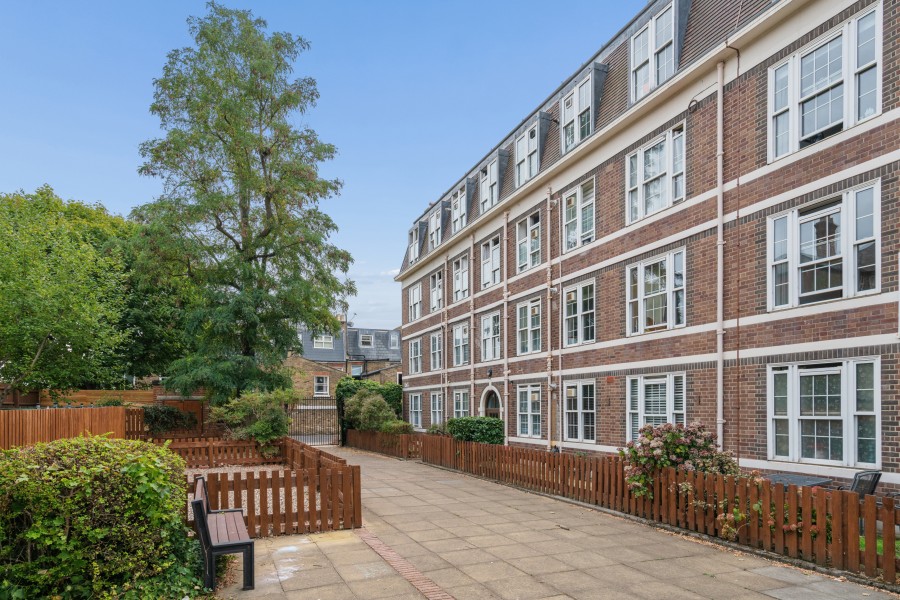
Quick Answer: West Putney is a residential part of SW15 known for its period homes, green spaces and access to the River Thames, Putney Lower Common and Putney Heath. The area offers a mix of houses and flats, local schools and transport connections via Putney Station, East Putney and local bus routes, making it a practical option for families, professionals and couples considering a move within South West London.
West Putney combines the convenience of London living with leafy residential streets, period homes, riverside walks and easy access to some of South West London’s best-known green spaces. For anyone considering moving to West Putney, the SW15 neighbourhood offers a mix of family houses and flats alongside schools, local amenities and useful transport connections.
At Parkgate, we work with buyers, sellers, landlords and tenants across Putney and the wider SW15 property market. This West Putney area guide covers the essentials to consider before making your move, from property and schools to commuting, green spaces and everyday life.
Where Is West Putney?
West Putney is the western part of Putney in the London Borough of Wandsworth, within the SW15 postcode. The neighbourhood stretches towards Barnes and Roehampton, with Lower Richmond Road, Putney Lower Common and the River Thames among the area’s important reference points.
West Putney is also an official Wandsworth council ward, although people searching for property in West Putney may use the name more broadly for residential streets west of central Putney.
Its position gives residents access to several distinct parts of South West London. Putney High Street provides the main town-centre amenities, while the Lower Richmond Road corridor offers a more local collection of shops and places to eat. Head west and you move towards Barnes; south-west takes you towards Roehampton and Richmond Park, while Putney Heath lies to the south.
That combination is a major part of West Putney’s identity: it feels residential while remaining closely connected to central Putney.
What Is Living in West Putney Like?
Living in West Putney suits people who want more of a neighbourhood atmosphere without giving up access to central London. Residential roads, period properties and green spaces sit within reach of Putney’s busier shopping, dining and transport hubs.
Families may be drawn to the houses, schools and outdoor space, while professionals and couples can combine a quieter home environment with commuting options from Putney Station and East Putney.
There is also considerable variety within SW15 itself. Living near Lower Richmond Road and Putney Lower Common creates a different day-to-day experience from choosing a home towards Putney Heath or closer to Putney High Street. Buyers should therefore consider the precise road and walking distance to the amenities they expect to use most frequently rather than treating the whole postcode as one uniform market.
Putney town centre has an established commercial centre alongside restaurants, cafés and places to relax by the river.
What Types of Property Can You Find in West Putney?
West Putney property ranges from flats and converted period homes to substantial family houses. Buyers can find Victorian and Edwardian architecture alongside purpose-built apartments and more modern developments, giving the area appeal across different budgets and stages of life.
Period homes are particularly relevant to buyers looking for character, larger rooms and traditional residential streets. Flats in West Putney can suit first-time buyers, couples, professionals and downsizers, while larger houses are often of particular interest to families looking for additional bedrooms, gardens and living space.
Location can change the character of a property search considerably. Homes near Putney Lower Common offer easy access to open space, while property near Lower Richmond Road puts local amenities close at hand. Buyers prioritising the Thames may instead focus on riverside properties and flats within walking distance of Putney Embankment and the Thames Path.
Parkgate’s current Putney sales listings illustrate that variety, with West Putney listings ranging from two-bedroom properties to larger six-bedroom houses. Availability changes continuously, so live listings provide a more useful picture than treating any one selection as representative of the whole market.
What Should Buyers Know About West Putney Property Prices?
West Putney property prices vary substantially according to the type of home, exact road, size, condition, outside space, specification and proximity to transport, schools, the river and green space. A flat, a bedroom apartment that may suit couples, downsizers and young professionals, and a large period family house or semi-detached home therefore belong to very different parts of the same local market.
Condition also matters. Two apparently similar houses can require very different budgets once buyers consider kitchens, bathrooms, electrics, plumbing, joinery, decorating and any structural alterations or wider refurbishment they plan after purchase.
For that reason, broad SW15 averages should not be treated as a valuation for an individual property. Current comparable sales, immediate location, layout and condition all contribute to market value.
Parkgate’s Putney valuation process considers factors including size, condition, layout, location, recent sales and local market trends. Buyers comparing homes can use the same principle: compare like with like and pay close attention to micro-location rather than relying solely on a postcode-wide figure.
What Schools Are There in and Around West Putney?
Families living in West Putney have access to a range of state and independent schools across Putney and SW15. Options in the wider area include primary and secondary provision, but availability and admissions criteria should always be checked directly before making a property decision.
For example, Oasis Academy Putney is on Lower Richmond Road, while Hotham Primary School and Our Lady of Victories Catholic Primary School are elsewhere in Putney. Ark Putney Academy, on Pullman Gardens, provides secondary education for ages 11–18, and Ashcroft Technology Academy is another well-regarded local secondary option. Putney High School is a notable choice for girls, while the Merlin School is among the independent options for younger children.
Independent education is represented by schools including Putney High School, whose junior and senior schools are based on Putney Hill.
School research should go beyond simply finding the nearest school. Admissions arrangements, catchment or distance criteria, faith requirements where applicable and inspection information can change. Parents considering moving to West Putney should check the current admissions information from the school or Wandsworth Council and current inspection reports before committing to a particular address.
How Good Are West Putney’s Transport Links?
West Putney offers access to rail, Underground, river and bus services, although the most convenient option depends on exactly where you live. Putney Station provides National Rail connections, while East Putney Underground Station is served by the District line.
Putney Station is on Putney High Street, so people living further west should factor the walk or connecting bus journey into their commute. Trains from here also make it straightforward to reach Waterloo, with Clapham Junction a useful interchange on the route. East Putney Station is on Upper Richmond Road and provides another option for journeys through West London and towards central London.
Bus routes also connect different parts of Putney with neighbouring areas, which can be particularly useful for residents living away from the two stations. Putney Pier also adds a river option, with the RB6 serving Blackfriars Millennium Pier during weekday peak periods.
For professionals commuting from West Putney, this combination creates flexibility and gives the area excellent transport links. The best property location will depend on whether you value railway access, the District line, buses, cycling or proximity to major roads most highly.
Putney also has several primary schools rated ‘Outstanding’ by Ofsted, but it is still worth checking current inspection reports and admissions criteria for any school you are considering. Always check the journey from the specific property at the times you expect to travel rather than judging transport links by the wider area alone.
What Green Spaces Are Near West Putney?
Green space is one of West Putney’s strongest lifestyle features. Putney Lower Common sits around half a mile west of Putney town centre and combines broad grass meadows with a cricket pitch and access towards the Thames Towpath. It also connects naturally towards Barnes Common and supports a range of leisure activities close to home.
Further south, Putney Heath forms part of Wimbledon and Putney Commons. The wider Commons comprise Putney Heath, Putney Lower Common, Wimbledon Common and the Richardson Evans Memorial Playing Fields, providing woodland, heathland and recreational areas.
For residents, these spaces create opportunities for walking, running, cycling and other outdoor pursuits without leaving South West London. Nearby wandsworth park adds another riverside option, with open lawns, family-friendly space and tennis courts.
The River Thames provides another outdoor dimension. Walks along the river and Thames Path, views towards Putney Bridge and the rowing activity associated with Putney all help distinguish the area from many other London suburbs.
Richmond Park is also within reach to the west and south-west, expanding the choice for people who prioritise access to large open spaces.
What Shops, Cafés and Amenities Are Available?
West Putney combines neighbourhood amenities with easy access to the larger commercial centre around Putney High Street. Lower Richmond Road provides useful local shops, cafés and places to eat, while central Putney expands the choice considerably.
Putney High Street and its surrounding streets provide shopping, restaurants and everyday services, and the riverside adds further places to eat, drink and spend time outdoors. Wandsworth Council describes Putney as having a busy commercial centre alongside an increasingly active riverside area. Around the river, spots such as The Duke’s Head and Putney Market add to that mix, while Putney Heath forms part of the wider 1,140-acre Wimbledon and Putney Commons.
Putney also has a strong sporting identity. Rowing clubs line parts of the Thames, and Putney has over twenty rowing clubs along the Thames. Putney Leisure Centre and the area’s parks and commons broaden the options for walking, running, cycling, leisure activities and other outdoor pursuits. Wandsworth Park is another nearby riverside green space, with acres of grassy land for picnicking as well as tennis courts.
For homebuyers, the important question is less whether Putney has amenities and more which ones will be convenient from a particular address. A home near Lower Richmond Road offers a different balance from a property closer to Putney Heath, Putney Hill or the town centre, while Richmond Park lies southwest of Putney.
Is West Putney a Good Place for Families?
West Putney has many of the characteristics families commonly include in a property search: family houses, schools, green spaces, local amenities and access to public transport.
Putney Lower Common can put substantial open space within easy reach of home, while the wider selection of schools across SW15 gives parents several options to investigate. Larger period houses and quieter residential roads may also suit buyers moving from a flat into a longer-term family home.
However, families should research individual properties carefully. School admissions, commuting requirements, traffic, outside space, parking and proximity to everyday amenities can all change from road to road.
Viewing the neighbourhood at different times of day can therefore be just as useful as viewing the house itself.
Is West Putney Suitable for Professionals and Couples?
West Putney can also work well for professionals and couples who want access to central London while preferring a more residential South West London setting.
Flats, period conversions and smaller houses provide alternatives to larger family properties in Putney, while Putney Station and East Putney Underground Station offer different public-transport options. Central Putney’s restaurants, cafés and shops remain accessible without requiring residents to live directly on the High Street. The area is also the starting point for the annual Oxford and Cambridge Boat Race, which adds to its strong riverside identity.
For buyers comparing nearby areas, it is worth viewing West Putney alongside East Putney, Barnes, Roehampton and Fulham. Each offers a different balance between transport, property type, green space and town-centre access.
Buying a Property in West Putney
The right home in West Putney depends on what matters most to you. Buyers prioritising commuting may focus on access to Putney Station or East Putney, while families may put schools, bedrooms and outside space higher on the list. Other buyers may prefer proximity to Putney Common, Putney Heath, Lower Richmond Road or the River Thames.
Start by defining those priorities, then compare properties at road level rather than postcode level. Size, condition, tenure, service charges where applicable, potential refurbishment work and immediate surroundings should all form part of the decision.
Parkgate works across the Putney property market, helping buyers search for homes and homeowners understand the value of their property. Our current SW15 listings include flats, period properties and family homes across Putney and West Putney.
If you’re considering moving to West Putney, explore our current properties for sale in Putney or contact Parkgate to discuss what you’re looking for. If you already own a home in SW15 and are considering selling, you can also arrange a Putney property valuation based on the characteristics of your individual property.
Please note: This guide is intended for general information only. Property prices, availability, transport services, school admissions and local amenities can change over time. Buyers should carry out their own research and seek appropriate professional advice before making property or financial decisions. School admissions and eligibility should always be confirmed directly with the relevant school or local authority.
GOOGLE REVIEWS


The Parkgate Estate Agents Richmond staff were always friendly, helpful and quick to respond whenever there was an issue. I always felt very well looked after by both the agency and my landlord.
I was genuinely sad to leave such a lovely home and wish the new tenant many happy years there. I would definitely recommend the agency. ⭐⭐⭐⭐⭐


On both professional and personal grounds I can highly recommend Parkgate to anyone needing property advice in Richmond.


They are completely honest and straightforward to deal with, which isn't always easy to find in this industry. When a maintenance issue comes up, they handle it efficiently—no messing around or dragging their feet, they just want the job done right for their tenants and landlords.
Super professional, always pay on time, and just really good, genuine people to work with. If you're looking for an agency you can actually trust, I can't recommend them enough.


Jonathan is our managing agent, and he regularly check in to see how things are going and are quick to respond with any issues. They have also scheduled maintenance and painting for us and have made recommendations and advocated on our behalf to the landlord for additional maintenance and improvements.





We rented a property that they manage for 4 years.
Parkgate team is very professional and approachable. Way better than dealing with a big agency, they offer a more personal approach, always available and willing to solve any issues.
From the tenancy agreement to handing the property back, it has been a real pleasure working with them.


The selling process was great - we were given good feedback from the viewings and got the price we wanted within about 8 weeks.
We really have nothing but praise for Klaudia and Chris, it's been really enjoyable, easy and stress free and we will be recommending Parkgate to all our friends in the area and our building.
***** Thank you! *****