




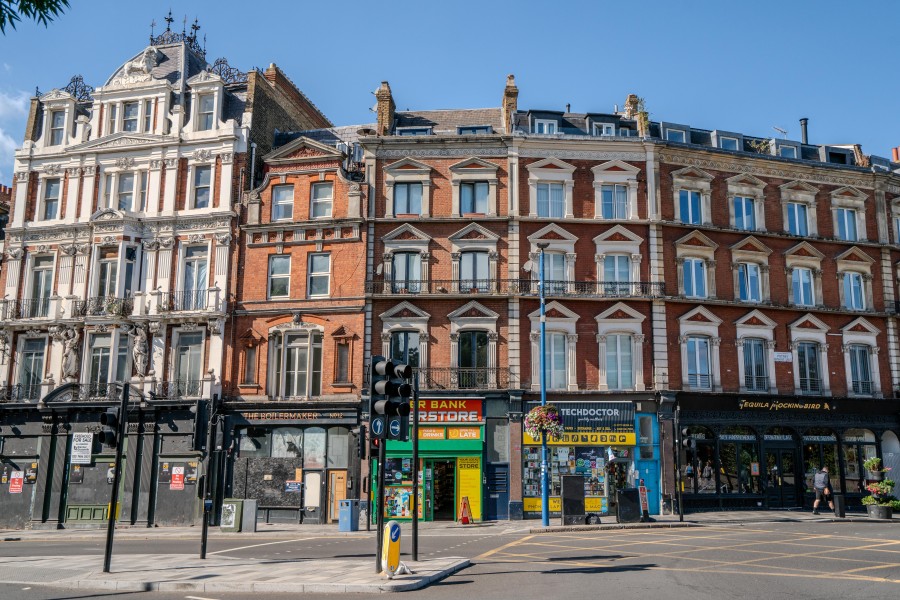
Quick Answer: Selling a property in Putney starts with an accurate valuation based on recent sold prices, comparable properties, your home’s condition and current buyer demand in SW15. From there, preparing and presenting the property well, setting a realistic asking price and using effective marketing can help attract suitable buyers. Once you accept an offer, a solicitor or conveyancer handles the legal process through to exchange of contracts and completion.
Selling a property in Putney involves more than choosing an asking price and putting your home online. For SW15 homeowners, a successful sale starts with understanding the property’s current market value, preparing it for buyers, choosing an appropriate marketing strategy and getting the legal paperwork underway. Local market knowledge also matters because demand can differ between property types and locations across Putney.
Whether you are selling a flat in East Putney, a Victorian or period house, a riverside property or a family home in West Putney, the same principle applies: your selling strategy should reflect both the individual property and the buyers currently active in its part of the market.
What Is the Putney Property Market Like for Sellers?
The Putney property market includes a varied mix of flats, period properties, family houses and riverside homes, which means selling conditions can differ considerably by property type and location. Buyer demand, competing listings and recent comparable sales can all influence the price and marketing strategy for an individual SW15 property. Sellers should therefore assess current local evidence rather than relying on a single average Putney house price.
Different parts of SW15 can also appeal to buyers for different reasons. Transport connections, access to the River Thames, local amenities, schools, outside space and the style and condition of the property can all influence demand.
Looking at recently sold comparable properties alongside homes currently competing for buyers can provide useful context. Parkgate’s estate agents in Putney can also assess how an individual property compares with current local competition and discuss an appropriate selling strategy.
How Do You Value a Property in Putney Before Selling?
A Putney property valuation should consider the property’s location, size, condition, layout and features alongside comparable properties, recent sales and current buyer demand. The resulting market valuation helps you choose an asking price that reflects the property itself and the local market rather than relying solely on a broad SW15 average. As general context, the median property price in Putney is £675,000, although any individual valuation still depends on the specific property.
Online estimates can provide a useful starting point, but two apparently similar properties may attract different values. A house with a larger garden, a flat with particularly attractive views or a property in better condition may not be directly comparable with another home nearby.
Before deciding on an asking price, consider:
- recent sold prices for genuinely comparable properties;
- current competing properties on the market;
- the size, layout and condition of your home;
- tenure, particularly for flats and leasehold properties;
- outside space and parking;
- proximity to transport, schools and local amenities; and
- current buyer demand for that type of property.
A strong initial pricing strategy is important to avoid a property becoming stale on the market and to support the best price outcome.
HM Government’s selling guidance recommends researching local prices, checking what nearby homes have recently sold for and asking estate agents to value the property.
Parkgate’s free property valuation in Putney combines recent sales information and local market insights with the characteristics of the individual property. An in-person assessment can therefore add context that an automated valuation cannot see.
How Should You Prepare a House or Flat for Sale?
Preparing a property for sale means making it easy for buyers to understand its space, condition and potential. Decluttering, cleaning, dealing with obvious minor maintenance issues and improving kerb appeal can all contribute to a stronger first impression. The objective is not necessarily to undertake a major refurbishment before selling.
Prioritise issues that make rooms look poorly maintained or distract buyers during a viewing. This might include damaged paintwork, untidy outside areas or minor repairs that have been left unfinished.
Storage also matters. Overfilled rooms and cupboards can make usable space harder to appreciate, while a simpler presentation helps buyers understand the layout.
Major refurbishment requires more careful thought. A new kitchen, bathroom, extensive decorating, new joinery or work to plumbing and electrics can involve significant cost, and there is no guarantee that the eventual selling price will recover every pound spent. Structural changes introduce further cost, time and professional considerations.
Before undertaking substantial work purely to sell, discuss the likely effect on marketability and value with a local property professional. The right approach depends on the property’s existing condition, specification, target buyer and local competition.
How Should a Putney Property Be Marketed in the Local Market?
Effective property marketing should communicate the home’s strongest features to the buyers most likely to value them. Professional property photography, an accurate floor plan, clear listing information and well-managed property viewings help buyers assess the home before and during a visit, and private viewings can create a sense of exclusivity that strengthens the home’s appeal.
The marketing strategy should also reflect the property type. Some clients prefer a discreet or off-market approach because it can help maintain property value and attract serious buyers. A family house may need a different approach from a one-bedroom flat or riverside apartment.
Good marketing connects the property’s features with relevant buyer needs without exaggerating them. Location, outside space, layout, transport connections and distinctive period features can all be useful selling points where they genuinely apply.
Online property portals can create broad exposure, but simply publishing a listing does not guarantee a sale. For some homes, off-market listings can enhance perceived property value rather than rely on maximum public visibility. Targeted online advertising can still reach specific groups of buyers discreetly without broad public exposure. The asking price, photography, property description, viewing experience and follow-up with interested buyers all influence the response.
Parkgate’s wider guidance on what buyers want in SW15 properties provides useful further reading for homeowners preparing to enter the market.
Does Where You Live in Putney Affect Your Selling Strategy?
Yes. Property type, streetscape, transport connections, amenities and buyer profiles vary across SW15, so a selling strategy should take the property’s precise location into account rather than treating Putney as one uniform market, because each area is also shaped by commuter demand and, in some locations, proximity to the River Thames.
A property near Putney High Street may appeal to buyers prioritising access to shops, restaurants and transport, and this part of the area also has a relatively high proportion of leasehold flats. Homes around East Putney, West Putney, Putney Hill, Putney Heath and Lower Richmond Road each have their own combination of housing stock and surroundings.
Riverside properties introduce another distinct set of features, while period houses and family homes may attract buyers with different priorities from those considering modern flats.
This is where local property market knowledge becomes particularly useful. Comparable properties should be genuinely comparable: a superficially similar home in another part of SW15 may not provide the best evidence for the asking price.
What Is the Process of Selling a Property in Putney?
Selling a property in Putney generally follows the standard English and Welsh property transaction process, moving from valuation and preparation to marketing, viewings, offers, conveyancing, exchange of contracts and completion. Sellers should also organise their legal representative and paperwork early because missing documents or unanswered enquiries can slow the transaction after a buyer has been found.
A typical process looks like this:
- Establish the property’s likely market value and decide on an asking price.
- Choose an estate agent and agree the marketing strategy.
- Instruct a solicitor or licensed conveyancer.
- Gather the required property paperwork.
- Arrange photography, floor plans and the property listing.
- Launch the property and conduct viewings.
- Receive and negotiate property offers.
- Accept an offer and progress the conveyancing.
- Respond to enquiries and agree the contract.
- Exchange contracts and agree completion.
- Complete the sale and transfer ownership.
Once an offer has been accepted, regular communication between the estate agent and the parties’ solicitors can help manage progress effectively.
An accepted offer is an important milestone, but it is not the end of the transaction. The legal work still needs to be completed before contracts are exchanged.
For standard residential transactions, sellers are commonly asked to provide information through the Law Society’s TA6 Property Information Form. Sellers should answer the questions truthfully and as accurately as possible from their knowledge and speak to their solicitor if they are unsure about a question.
What Paperwork Do You Need When Selling a Home?
Sellers may need title information, details of the property’s tenure, planning and building-regulation documents, relevant guarantees and warranties, and information about alterations or other matters affecting the property. Getting paperwork together before a buyer is found can reduce avoidable delays later.
An Energy Performance Certificate is also generally required when selling a property. If there is no valid EPC, one normally needs to be commissioned before the property is marketed. EPCs are generally valid for 10 years, so check whether your property already has a valid certificate before ordering another.
Your solicitor or conveyancer can advise which documents are required for your circumstances.
How Long Does It Take to Sell a House in Putney?
There is no reliable fixed timeframe for selling a house in Putney because finding a buyer and completing the legal transaction are separate stages. As a national benchmark, GOV.UK currently states that selling a home takes around five months on average, with property chains potentially extending the process.
A particular Putney sale could be shorter or longer. In Putney, properties go under offer in around 16 weeks on average. Marketed homes also spend about 45 days on the market on average, while completion usually takes longer because the legal process is separate.
The time required can depend on:
- asking price and buyer demand
- property type and condition
- how quickly suitable buyers arrange viewings
- the strength of the buyer’s financial position
- survey findings
- mortgage arrangements;
- the property chain
- conveyancing enquiries
- how quickly information is supplied by the parties involved.
Preparing paperwork and instructing a solicitor or conveyancer early can remove some preventable delays, although no estate agent can guarantee exactly when a sale will complete, and rushing the process can risk undervaluing the property rather than helping the best outcome be achieved.
How Much Does Selling a House Cost?
The cost of selling a house varies according to the estate-agent agreement, legal fees, EPC requirements, mortgage arrangements and the property itself. Leasehold sellers can face additional charges for information supplied by the freeholder or managing agent. Sellers should therefore request individual quotations rather than relying on a single generic selling-cost figure.
Potential property selling fees include estate-agent fees, solicitor or conveyancer fees, an EPC where a valid one is not already available, removal costs and possible mortgage charges such as an early repayment charge.
Your estate-agent contract should clearly explain the fee and what is included. Different contractual arrangements can also affect when fees become payable, so read the agreement carefully before signing.
If you are considering refurbishment before selling, budget separately. Kitchens, bathrooms, decorating, joinery, structural alterations, plumbing or electrical work and project management can materially increase expenditure. Unforeseen work can increase it further. These improvements should not automatically be treated as necessary selling costs; assess whether they are likely to improve marketability sufficiently to justify the investment.
What Is Different About Selling a Leasehold Flat in Putney?
Selling a leasehold property usually requires additional information about the lease and management of the building. This can make early preparation particularly valuable for anyone selling a flat in Putney. Buyers in Putney are often sensitive to short lease terms for flats, so checking the unexpired term early is vital to avoid delays or issues later.
The Law Society states that sellers of leasehold property may need to complete the TA7 Leasehold Information Form alongside the TA6. Your conveyancer may also require information relating to matters such as service charges, building insurance, planned works and management arrangements.
Obtaining information from a freeholder or managing agent can take time and may involve additional charges. Ask your solicitor what will be required as early as possible rather than waiting until a buyer’s conveyancer requests it.
What Should You Look for in an Estate Agent in Putney?
Look for an estate agent that can explain how it reached its valuation, demonstrate knowledge of comparable local properties and set out a clear plan for presentation, marketing, viewings, feedback and offer negotiation. The highest suggested asking price is not automatically evidence of the best selling strategy. Inflexibility in pricing can deter potential buyers. Some sellers aSome sellers may prefer discreet or off-market marketing, particularly where privacy is important. If this approach is being considered, ask the agent how prospective buyers will be identified, how property information will be controlled and whether discreet marketing is appropriate for the property and current market conditions.
Ask prospective estate agents who can help clients navigate valuation, marketing and negotiation decisions:
- Which recent comparable sales support the valuation?
- Who is the likely buyer for this property?
- How will the property be presented and marketed?
- Where will the listing appear?
- Who will conduct viewings?
- How will viewing feedback be reported?
- How will offers be assessed and negotiated?
- What does the estate-agent fee include?
- What are the terms of the agency agreement?
- Who will progress the transaction after an offer is accepted?
Parkgate is an independent estate agent serving Putney and other areas of South West London. Its Putney services include property sales and valuations, and its current listings include homes in SW15.
If you are considering selling a property in Putney, you can learn more about Parkgate’s estate agents in Putney or selling a property with Parkgate.
What Mistakes Should You Avoid When Selling a Property in Putney?
Common mistakes when selling a property in Putney include setting an asking price without sufficient comparable evidence, presenting the property poorly, spending heavily on improvements without considering likely buyer priorities and delaying important paperwork. Sellers should also avoid assuming that every property in SW15 will attract the same buyers simply because it shares the same postcode.
A few mistakes are particularly worth avoiding:
- Setting the asking price solely around what you hope to achieve. Recent sold prices, comparable properties, current competition and the individual characteristics of the home should inform the valuation.
- Choosing an estate agent solely because they suggest the highest valuation. Ask what evidence supports the figure and how the agent intends to market the property.
- Over-investing before selling. A new kitchen, bathroom or major refurbishment may not always return its full cost through the eventual selling price.
- Neglecting presentation. Clutter, unfinished minor repairs and poor photography can make it harder for buyers to appreciate the property.
- Waiting to organise paperwork. Preparing relevant documents and instructing a solicitor or conveyancer early can help prevent avoidable delays after an offer is accepted.
- Ignoring local differences. A flat in East Putney, a family house in West Putney and a riverside property may attract different buyers and require different marketing approaches.
A local estate agent should be able to explain how the property’s location, condition and likely buyer profile affect its valuation and marketing strategy.
Thinking About Selling Your Property in Putney?
The first practical step is to establish where your home sits in the current local market. A valuation can help you understand an appropriate asking price, which comparable properties matter and whether any preparation is worthwhile before marketing begins.
From there, a clear strategy should connect the valuation, presentation, marketing and legal process rather than treating them as separate decisions, while staying open to the approach that best suits your circumstances, whether that means broader exposure or a more discreet sale.
Parkgate works with homeowners across Putney and South West London and offers free, no-obligation property valuations. If you are thinking, “I want to sell my property in Putney, but I’m not sure where to start”, you can request a Putney property valuation or contact Parkgate to discuss the next steps.
This article provides general information about selling residential property in England and is not legal, financial, tax or surveying advice. Requirements and costs depend on the property and your circumstances. Seek advice from an appropriately qualified professional where necessary.
GOOGLE REVIEWS


The Parkgate Estate Agents Richmond staff were always friendly, helpful and quick to respond whenever there was an issue. I always felt very well looked after by both the agency and my landlord.
I was genuinely sad to leave such a lovely home and wish the new tenant many happy years there. I would definitely recommend the agency. ⭐⭐⭐⭐⭐


On both professional and personal grounds I can highly recommend Parkgate to anyone needing property advice in Richmond.


They are completely honest and straightforward to deal with, which isn't always easy to find in this industry. When a maintenance issue comes up, they handle it efficiently—no messing around or dragging their feet, they just want the job done right for their tenants and landlords.
Super professional, always pay on time, and just really good, genuine people to work with. If you're looking for an agency you can actually trust, I can't recommend them enough.


Jonathan is our managing agent, and he regularly check in to see how things are going and are quick to respond with any issues. They have also scheduled maintenance and painting for us and have made recommendations and advocated on our behalf to the landlord for additional maintenance and improvements.





We rented a property that they manage for 4 years.
Parkgate team is very professional and approachable. Way better than dealing with a big agency, they offer a more personal approach, always available and willing to solve any issues.
From the tenancy agreement to handing the property back, it has been a real pleasure working with them.


The selling process was great - we were given good feedback from the viewings and got the price we wanted within about 8 weeks.
We really have nothing but praise for Klaudia and Chris, it's been really enjoyable, easy and stress free and we will be recommending Parkgate to all our friends in the area and our building.
***** Thank you! *****